(+258) 824 081 774

zimbabwe travel & Adventure
Experience the world with Redemption Tours Lda, Where every journey is a story of Redemption. Discover Africa like never before.
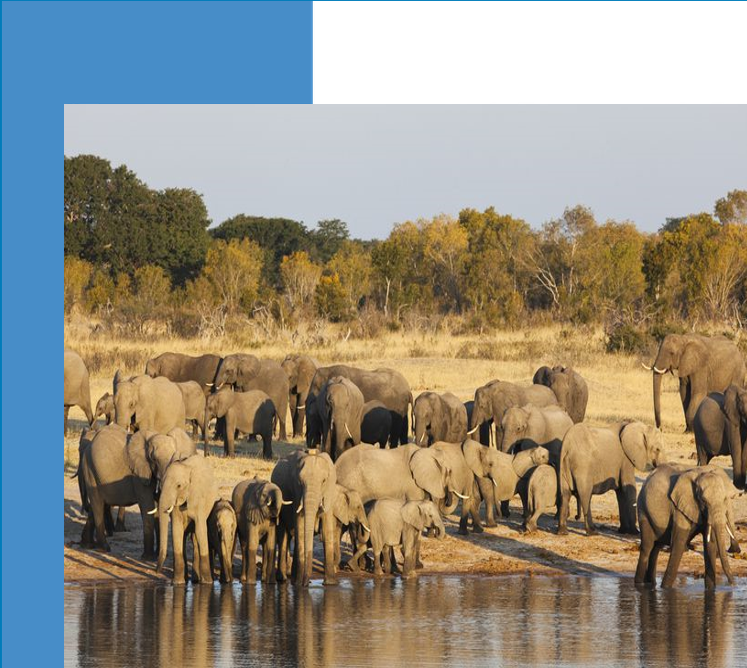
Hwange National Park

It is most famous for its elephants — in fact, the Hwange elephant population is thought to be one of the largest in the world.
Located to the west of the country on the border with Botswana, Hwange National Park is the oldest and largest of Zimbabwe’s game reserves. It covers a vast expanse of around 5,655 square miles/14,650 square kilometers and provides a refuge for over 100 species of mammal – including the big five. The park is also home to some of Africa’s rarest safari animals, including the African wild dog, the brown hyena and the critically endangered black rhino. Birdlife is abundant here, with over 400 species recorded within the park.

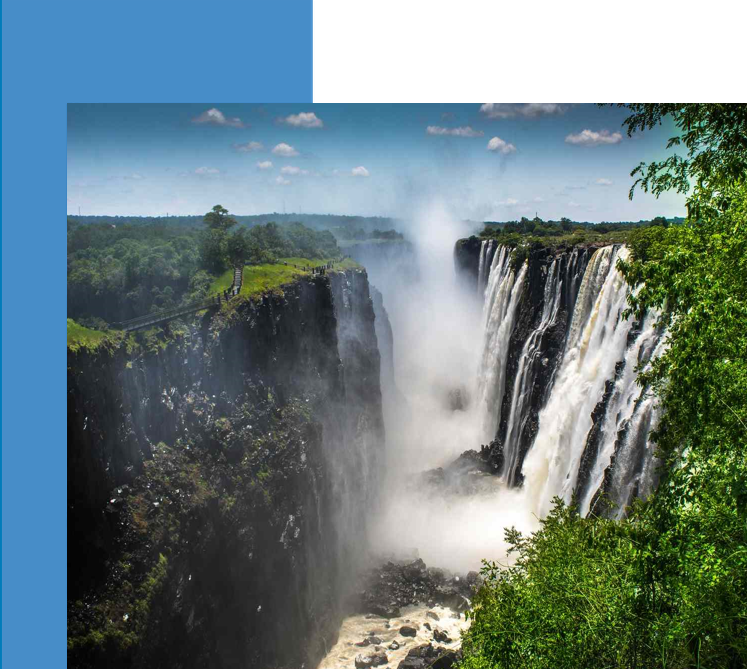
Victoria falls
In Zimbabwe’s far west corner, the Zambezi River marks the border with Zambia.
At Victoria Falls, it plunges off a precipice measuring 354 feet/108 meters in height and 5,604 feet/1,708 meters in width. This is the largest sheet of falling water on the planet, and one of the seven natural wonders of the world. In peak flood season (February to May), the spray thrown up by the plunging water can be seen from 30 miles/48 kilometers away. This magnificent spectacle gives the falls its indigenous name — Mosi-oa-Tunya, or “The Smoke That Thunders”. On the Zimbabwean side, a path winds its way along the edge of the gorge. Viewpoints offer breathtaking panoramas of the plummeting water and the rainbows that hang suspended above the chasm. The sound is deafening and the spray soaks to the skin – but the spectacle is one that can never be forgotten.
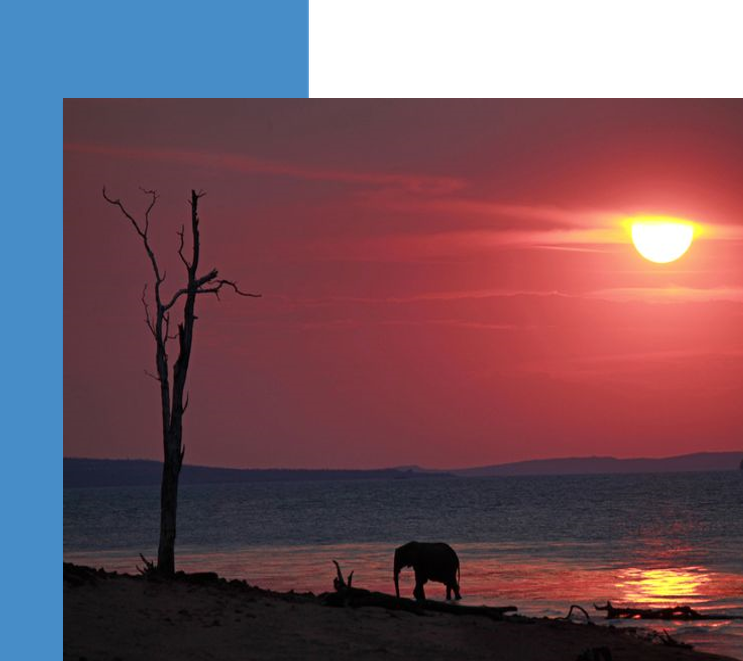
lake kariba
Northeast of Victoria Falls, the Zambezi River feeds into Lake Kariba, another superlative body of water located on the Zambian border.
Created after the construction of the Kariba Dam in 1959, Lake Kariba is the world’s largest man-made lake in terms of volume. It stretches for over 140 miles/220 kilometers in length, and measures 25 miles/40 kilometers across at its widest point. There are several lodges located along the lake shores, but the traditional way to explore is on a houseboat. Kariba is renowned as one of the best places in the world to catch tiger fish, a ferocious freshwater species prized by sport fishermen for its strength and tenacity. The lake’s islands also offer ample opportunities for game viewing. Perhaps the most rewarding wildlife area is Matusadona National Park, located on Kariba’s southern shore.
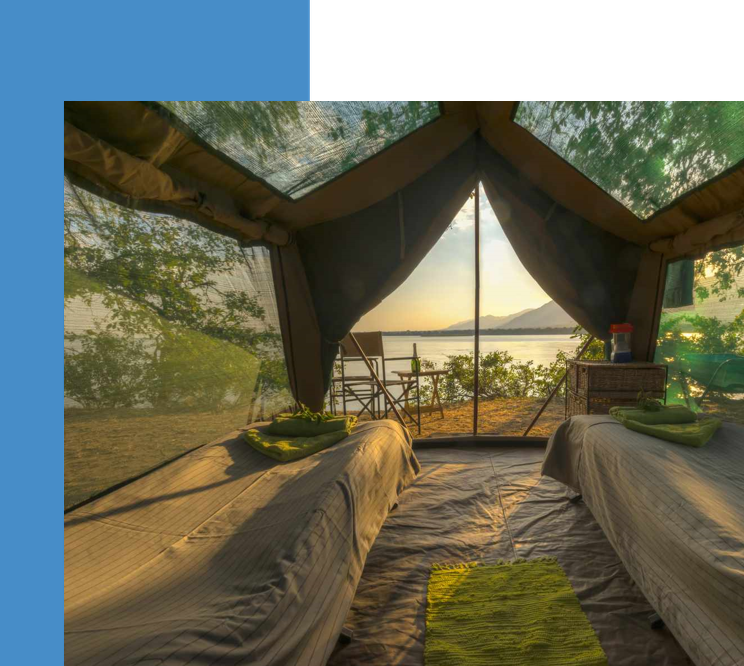
Mana pools national park
Mana Pools is located in the far north of the country, and is renowned as one of the most pristine nature areas in Zimbabwe.
It is recognized as a UNESCO World Heritage Site for its incredible concentrations of wildlife, including elephant, buffalo, leopard and cheetah. Mana Pools is also a haven for water-based wildlife, with large populations of hippo and Nile crocodile. They live in the four pools that give the park its name, each one created by the Zambezi River before it altered its course to flow northward. The largest of these is approximately 3.7 miles/6 kilometers long and provides a valuable source of water even in the height of the dry season. The abundance of water makes this park a prime spot for birders, too. It’s also the best destination in the country for walking safaris and self-sufficient camping trips.
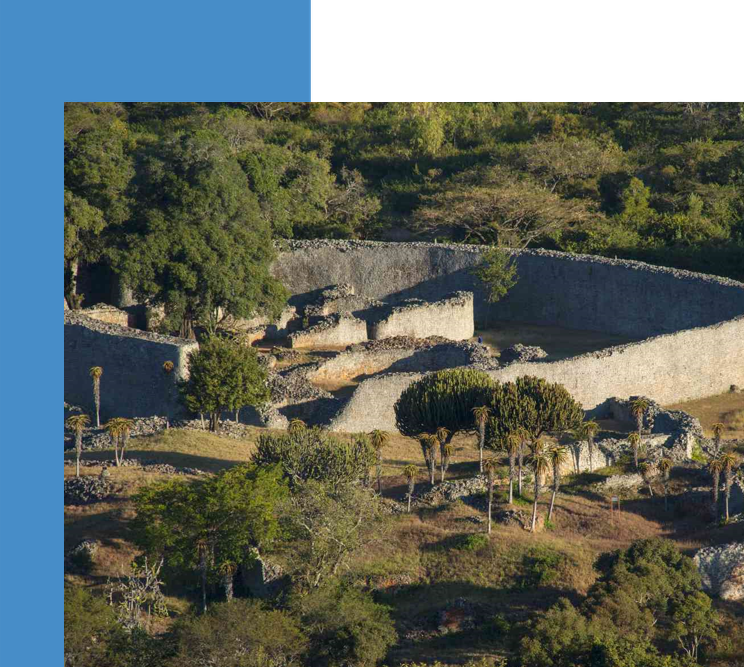
great zimbabwe
A four-hour drive south of Harare or east of Bulawayo will take you to the Great Zimbabwe, another UNESCO World Heritage Site.
The site protects the remains of Great Zimbabwe, the capital of the historic Kingdom of Zimbabwe and the most important stone ruins south of the Sahara. Built between the 11th and 15th centuries, the ruins cover a vast area and include a hilltop acropolis that would once have housed kings and chiefs. The surrounding valley is littered with the ruins of more humble dwellings, all of which were built using granite blocks cut so perfectly that no mortar was needed to hold them together. Artifacts including Arab coins from the East African coast and porcelain from China have been discovered here, suggesting that Great Zimbabwe was once a wealthy and powerful center of trade.
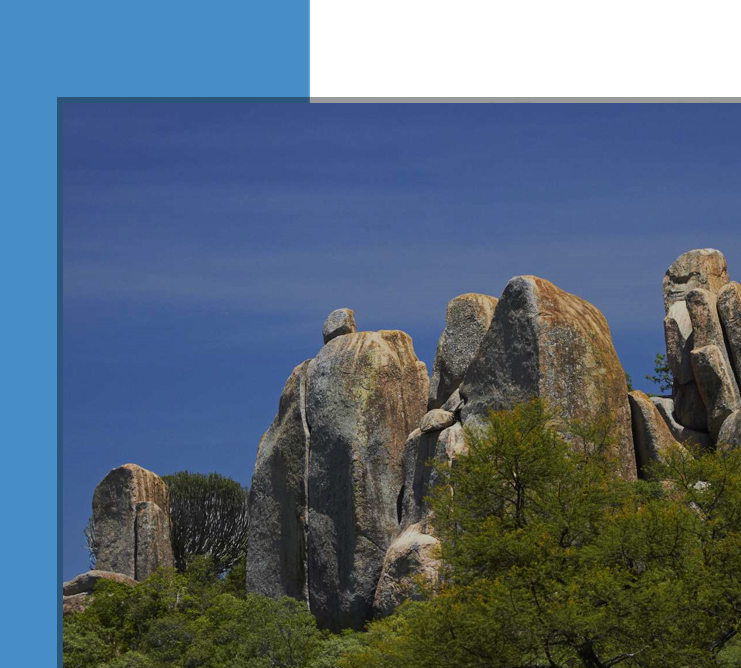
matobo national park
Matobo National Park is located 25 miles/40 kilometers south of Bulawayo.
The park’s name means “Bald Heads” in the local Ndebele language — a moniker that refers to its fascinating granite rock formations. Some of these rocks are impossibly balanced on top of one another, and many of them are marked with ancient rock art created by the San Bushmen some 2,000 years ago. Cecil Rhodes, the controversial 19th-century imperialist, chose to be buried here, and his remains are marked by a brass plaque perched atop World’s View, the park’s most iconic viewpoint. Matobo National Park is a top destination for hikers and those hoping to see white and black rhino. Although there are no lion or elephant, it has one of the largest leopard populations in Southern Africa and is a great place to spot Verreaux’s eagles.
chimanimani natiional park
On the eastern border with Mozambique, mountainous Chimanimani National Park is a place of stunning natural beauty.
The perfect destination for those wishing to hike, camp and lose themselves in the Zimbabwean wilderness, the park is defined by plunging gorges, lush valleys and soaring peaks. The highest summits reach over 7,990 feet/2,400 meters. The lower reaches of the park are covered by dense virgin forest, which in turn provides shelter for elusive wildlife including eland, sable and blue duiker antelope. Leopard roam free in the Chimanimani mountains and the birdlife is spectacular. This is also a good place to keep an eye out for Southern Africa’s smaller cat species. Amenities in the park include unpaved hiking trails, communal huts and a campsite with basic cooking and ablution facilities. Wild camping is also allowed throughout the park.